
Signs Your Roof Was Damaged by a Recent Storm (Even If It Looks Fine)
If you walked outside after the last storm, looked up at your roof, and thought “well, that looks okay” you’re not alone, and you might also be wrong. Roof damage is sneaky. The kind of damage that actually costs homeowners money rarely announces itself with a hole you can see from the driveway. It shows up three weeks later as a water stain on the ceiling, or six months later as a mold problem in the attic that started with one lifted shingle nobody noticed.
We’ve been repairing storm-damaged roofs across Sussex County and Worcester County long enough to know the pattern: the homeowners who call us right after a storm almost always catch the damage early and cheap. The ones who wait because the roof “looked fine” usually end up dealing with something bigger.
So before you assume your roof made it through unscathed, here’s what to actually look for, why some of the worst damage hides in plain sight, and what to do if you spot any of it.
Why Storm Damage Isn’t Always Obvious From the Ground
Here’s the thing about asphalt shingle roofs (which is most roofs on the Eastern Shore): the damage that matters most often happens at an angle and a distance you simply can’t judge standing in your yard. Wind doesn’t rip shingles off in some obvious, cartoonish way at least not usually. More often, it lifts the edge of a shingle just enough to break the seal underneath, then the wind drops, and the shingle lays back down looking completely normal. From the ground, or even from a ladder if you don’t know what you’re checking, it looks untouched.
Add in the fact that most storm damage happens on the side of the roof facing the wind which is rarely the side you can see from your front porch and you’ve got a recipe for damage that sits there quietly until the next rain finds the weak spot.
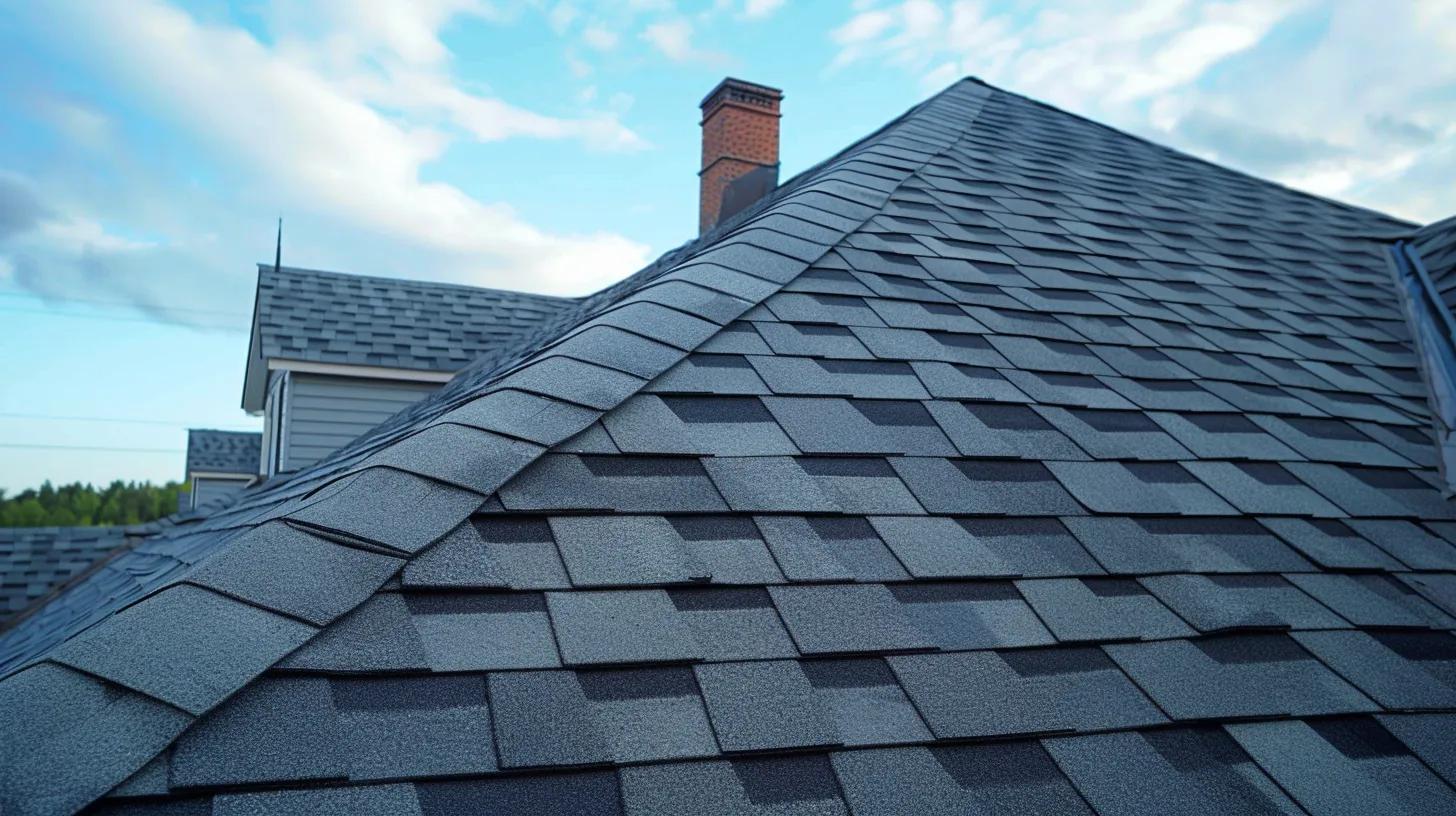
This is exactly why “the roof looks fine” isn’t the same as “the roof is fine.” It just means the damage hasn’t found its way inside your house yet.
Signs of Storm Damage on Your Roof You Shouldn’t Ignore
These are the specific things worth checking after any significant storm high winds, hail, a nor’easter, or a tropical system moving up the coast.
Missing, Lifted, or Out-of-Place Shingles
This is the obvious one, but it’s worth saying clearly: walk the perimeter of your house and actually look up at every side of the roof, not just the side you can see from the driveway. A shingle that’s curling at the corner, sitting slightly crooked, or just looks “off” compared to the ones around it is telling you something.

Granules Piling Up in Your Gutters
Asphalt shingles are coated in small granules that protect them from UV damage and help shed water. After a storm, check your gutters and the ground near your downspouts if you see what looks like coarse, sandy debris collecting there, that’s granule loss, and it’s one of the clearest early signs of wind or hail damage. A few granules are normal over time. A noticeable pile after one storm is not.
Soft Spots or Sagging You Can See or Feel
If you can safely view your roofline from a distance, look for any dips, sags, or uneven spots along the roof’s surface. This can point to water intrusion that’s already started softening the decking underneath which is a bigger and more expensive problem than a missing shingle.
Cracked, Curling, or Bald Patches on Shingles
Hail and heavy wind can crack shingles or knock them slightly out of alignment without fully dislodging them. Look for shingles that seem thinner, shinier (a sign granules are gone), or have visible cracks running through them.
Damaged Flashing Around Chimneys, Vents, and Skylights
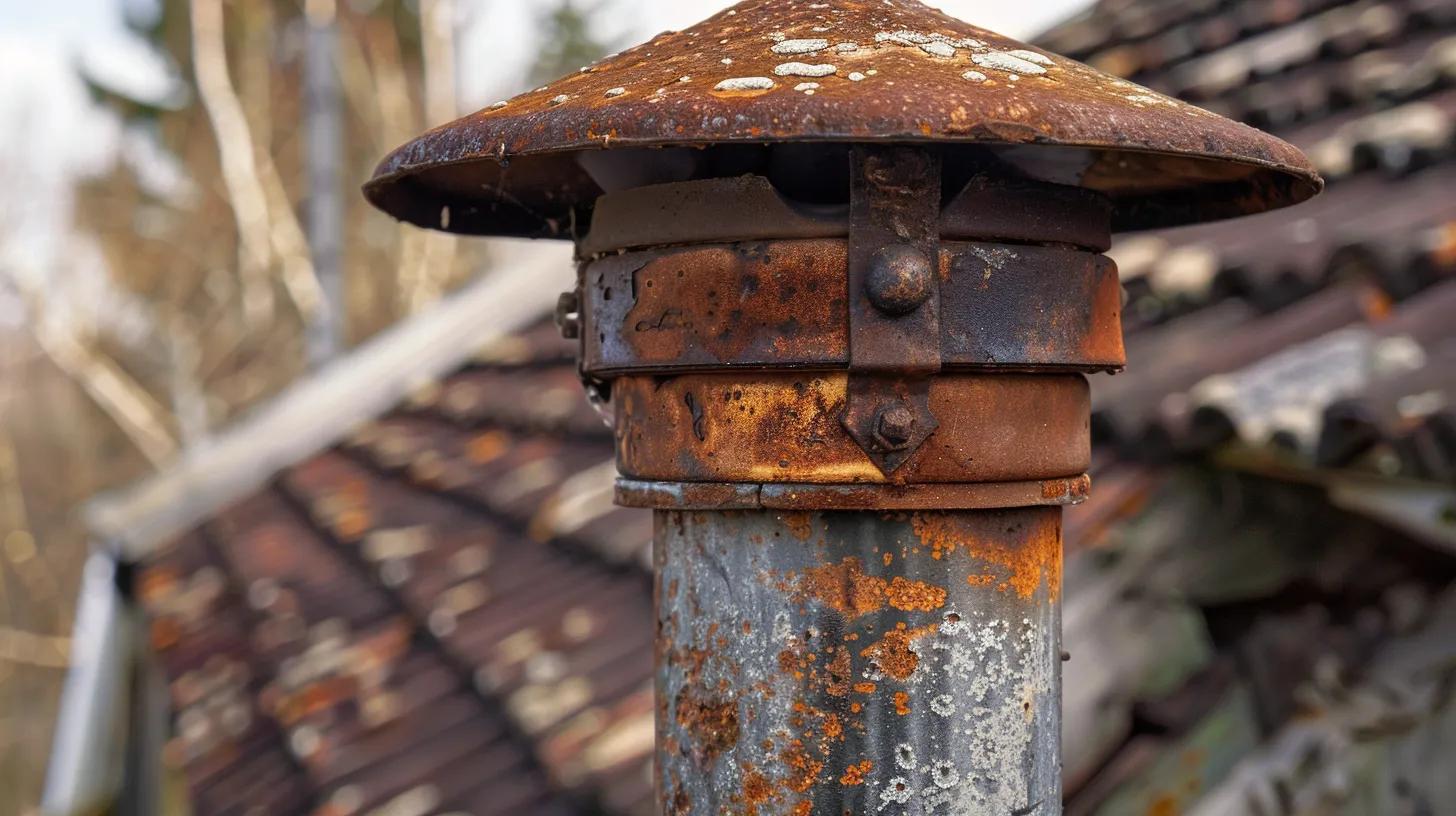
Flashing is the metal that seals the joints where your roof meets a chimney, vent pipe, or skylight and it’s one of the most common places storm damage starts. Bent, lifted, or rusted flashing creates a direct path for water to get underneath your roofing system.
Water Stains Inside the House
This one’s not on the roof at all it’s in your attic or on a ceiling. A brownish stain, a damp smell, or peeling paint after a storm almost always means water found its way in somewhere up top. By the time you see this, the roof damage that caused it has probably been there for a little while.
Debris, Dents, or Damage to Gutters and Downspouts
Gutters take a beating in storms too, and dented or pulled-away gutters are often a sign that whatever hit your gutters likely hit your roof as well.
How to Tell If Your Roof Has Wind Damage Specifically
Wind damage has a particular signature that’s a little different from hail or general wear. Look for shingles that are lifted only on one edge (usually the side facing the prevailing wind during the storm), shingles that are creased or folded rather than cracked, and damage that’s concentrated on one section or side of the roof rather than spread evenly. If your neighbor’s roof on the same side of the street has visible damage and yours “looks fine,” that’s actually a reason to look closer, not a reason to relax wind damage doesn’t always hit every house on a block the same way.
What Happens If You Ignore Hidden Roof Damage After a Storm
A missed shingle doesn’t stay a missed-shingle problem. Once the seal is broken, water finds its way underneath during the next rain. From there it can soak the decking, travel along rafters, and show up as a stain in a completely different room than the one under the original damage. The same storm that damaged your roof can also leave debris or standing water on a deck underneath a roofline or overhang, so it’s worth a quick look there too while you’re checking the roof. Left long enough, you’re looking at insulation replacement, mold remediation, and in some cases structural repair all from something that started as a five-minute fix.
There’s also a financial deadline most homeowners don’t think about: insurance companies generally expect storm damage claims to be filed within a reasonable window after the event. Wait too long, and you may have a harder time proving the damage came from that storm rather than general wear.
What to Do If You Spot Storm Damage
Document it before you touch anything. Take photos and video from the ground, including wide shots of each side of the roof and close-ups of anything that looks off. This matters for your insurance claim.
Don’t get on the roof yourself, especially right after a storm. Wet, debris-covered roofs are dangerous, and a fall is a far more expensive problem than a few missing shingles. Leave the close-up inspection to a roofer with the right safety equipment.
Call for a professional inspection sooner rather than later. A trained eye can spot the damage that’s easy to miss from the ground lifted seals, cracked flashing, subtle granule loss and give you a clear, documented assessment.
Loop in your insurance company once you have documentation. Having a contractor’s written inspection report alongside your own photos makes the claims process faster and less of a back-and-forth.
If you’re not sure whether what you’re seeing needs a full repair or a roof replacement, our Exterior Renovations team can walk you through the options — from a targeted flashing repair to a full roof replacement, depending on what the inspection finds.
Storm Damage Roof Inspections Across Sussex County and Worcester County
Storms on the Delmarva Peninsula don’t treat every town the same. Coastal areas like Bethany Beach, Fenwick Island, and Ocean City tend to take the brunt of wind-driven rain and salt exposure, while inland communities like Millsboro and Selbyville often deal more with downed limbs and debris impact. Either way, the same rule applies: a roof that looks fine from the ground deserves a second look after anything more than a passing shower.
We’re based in Selbyville, DE, and provide storm damage roof inspections throughout Sussex County including Millsboro, Ocean View, Bethany Beach, Rehoboth Beach, Fenwick Island, and Lewes as well as Worcester County, MD, including Berlin, Ocean Pines, and Ocean City.
And it’s not just your main roofline sunroom and awning roofs are often even more exposed to wind-driven rain and debris, since they’re typically lower-pitched and attached at a seam. If you’ve got a sunroom or awning, it’s worth giving that roof the same once-over.
Frequently Asked Questions
How do I know if my roof has storm damage?
Check for missing or lifted shingles, granules collecting in your gutters, cracked or curling shingle edges, and damaged flashing around chimneys or vents. Some damage is visible from the ground, but a lot of it isn’t which is why a professional inspection is the most reliable way to know for sure.
Can roof damage really be invisible from the ground?
Yes. Lifted shingles often settle back into place after the wind dies down, and damage on the back or side of the roof facing the storm is rarely visible from your yard or driveway. Looking “fine” from below doesn’t rule out a broken seal or cracked shingle.
How soon after a storm should I get a roof inspection?
As soon as it’s safe to do so — ideally within a few days. Acting quickly makes it easier to document the damage for insurance and prevents small issues like a lifted shingle from turning into a leak.
Will homeowners insurance cover storm roof damage?
Most homeowners insurance policies cover sudden storm damage like wind and hail, though coverage details vary by policy and provider. Documenting the damage with photos and a professional inspection report shortly after the storm gives you the strongest claim.
What does granule loss in my gutters mean?
It usually means your shingles have taken some impact from wind or hail. Granules protect the shingle surface, so noticeable amounts collecting in your gutters or downspouts after a storm are a sign your roof may need a closer look.
What if only one section of my roof looks damaged? That’s actually common with wind damage, which tends to concentrate on the side of the roof facing the storm. A damaged section doesn’t always mean a full roof replacement sometimes a targeted repair is enough, but that’s worth confirming with an inspection rather than guessing.
Don’t Wait for a Leak to Tell You There’s a Problem
The roofs that end up needing full replacements are rarely the ones that got inspected right after a storm they’re the ones that “looked fine” for months until a leak made the decision for the homeowner. If a storm has rolled through your area recently, it’s worth the ten minutes it takes for a professional to check.
Vasco Property Services offers free storm damage roof inspections throughout Selbyville, Millsboro, Ocean View, Bethany Beach, Rehoboth Beach, Fenwick Island, Lewes, Berlin, Ocean Pines, and Ocean City.
Call us at (443) 880-8891 or request a free inspection online, and we’ll tell you honestly whether you’ve got a problem or some good news that your roof really did make it through fine.