
The short answer: On the Eastern Shore, do your fall home maintenance between late September and early November, before nor’easter season and the first hard freeze. Focus on the outside of the house, where wind-driven rain gets in: the roof, gutters, siding, windows and doors, and decks. Most of the checks take an afternoon from the ground. Anything that needs a ladder on the roof, or shows soft wood or water stains, is a job for a professional.
The checklist at a glance:
-
Inspect the roof and flashing
-
Clean gutters and downspouts
-
Check siding, trim and caulking
-
Seal windows and doors
-
Check decks, balconies and railings
-
Shut off outdoor faucets and outdoor showers
-
Trim branches near the roof
-
Touch up peeling exterior paint
When to Do Fall Home Maintenance on the Eastern Shore
According to the National Weather Service, nor’easters can happen any time of year but are most frequent and most violent between September and April. They bring gale-force winds and heavy rain, and sometimes coastal flooding. That makes October the last comfortable window to get the outside of your house ready.
|
When |
What to do |
|---|---|
|
Late September to mid-October |
Roof check, siding and caulking, windows and doors, deck inspection |
|
Late October to mid-November |
Gutter cleaning, once most leaves have dropped |
|
Before the first hard freeze |
Shut off and drain outdoor faucets and outdoor showers |
|
After every major storm, September to April |
Quick walk-around: roof, gutters, deck, and ceilings inside |
If you only have time for one thing, check the roof and gutters. Those two handle most of the water that hits your house.
Why Coastal Homes Need Their Own Checklist
Most fall checklists are written for homes that worry about snow. In Sussex County, Delaware and Worcester County, Maryland, the bigger threats are different:
-
Wind-driven rain that gets pushed sideways under shingles, behind siding and around window frames
-
Salt air that corrodes metal flashing, nails, screws and deck connectors, and breaks down paint and caulk faster
-
Humidity that keeps any moisture that gets in from drying out, which is how small leaks turn into rot and mold
-
Empty houses. Many homes in Bethany Beach, Fenwick Island and Ocean City sit empty from fall to spring, so a problem can go unnoticed for months.
So the goal of this checklist is simple: close every path water could use to get in.
The Fall Home Maintenance Checklist, Item by Item
1. Inspect the Roof Before Winter
Walk all four sides of the house and look up, with binoculars if you have them. Look for:
-
Missing, lifted or curling shingles
-
Shingles that look bald or shiny, a sign the protective granules are wearing off
-
Flashing around the chimney, vents and skylights that’s bent, loose or rusted
-
Sagging areas or dark streaks along the roofline
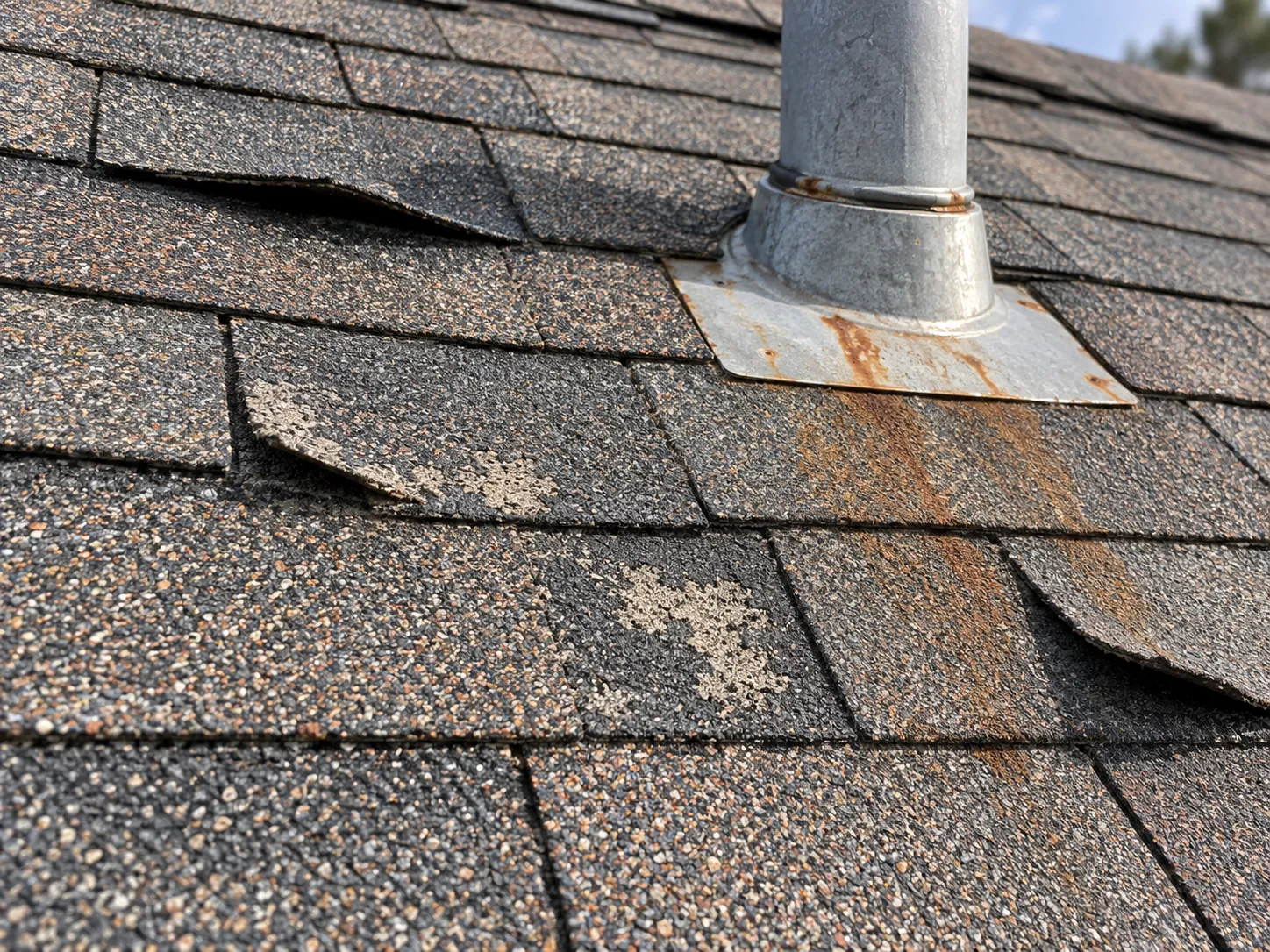
Then check the attic on a sunny day. Daylight through the roof boards, damp insulation or stains on the rafters mean water is already getting in.
Coastal check: salt air corrodes metal flashing faster than inland. Rust streaks below a vent or chimney are worth a closer look.
DIY or pro? Checking from the ground and the attic is DIY. Climbing onto the roof isn’t, especially when it’s wet or windy in the fall. If you see any of the problems above, have the roof inspected. Our roof inspection and repair service covers shingles, flashing and storm damage.
2. Clean and Check Gutters and Downspouts
When gutters clog, water backs up under the shingles, spills behind the gutter into the fascia boards, and pools against the foundation.
Fall gutter checklist:
-
Clear leaves, pine needles and debris from gutters and downspouts
-
Run water through each downspout to make sure it drains freely
-
Make sure downspouts empty at least a few feet from the foundation
-
Look for sagging sections, loose brackets, or gutters pulling away from the house
-
Check seams and corners for leaks
-
Press on the fascia boards behind the gutters. Soft wood means water has been getting behind them.
Clean gutters after most of the leaves have fallen, usually late October into November. Cleaning too early often means doing it twice. Homes under pine trees, which describes much of Ocean Pines, usually need cleaning more often, because needles slip past basic gutter screens and pack into a wet mat.
DIY or pro? Cleaning a one-story gutter from a sturdy ladder is DIY. For two-story homes, gutters that sag or leak, or new gutters and leaf protection, call a professional. Our gutter company, The Gutter Pros, handles gutter installation, repair, cleaning and leaf protection across Delmarva. Rotted fascia boards behind the gutters are a roofing repair we handle.
3. Check Siding, Trim and Caulking
Walk around the house and look closely, especially on the side that faces the water or takes the most wind:
-
Cracked, loose or missing siding
-
Gaps where siding meets windows, doors and corner trim
-
Caulk that’s cracked, shrunken or pulling away
-
Soft spots or peeling paint on wood trim
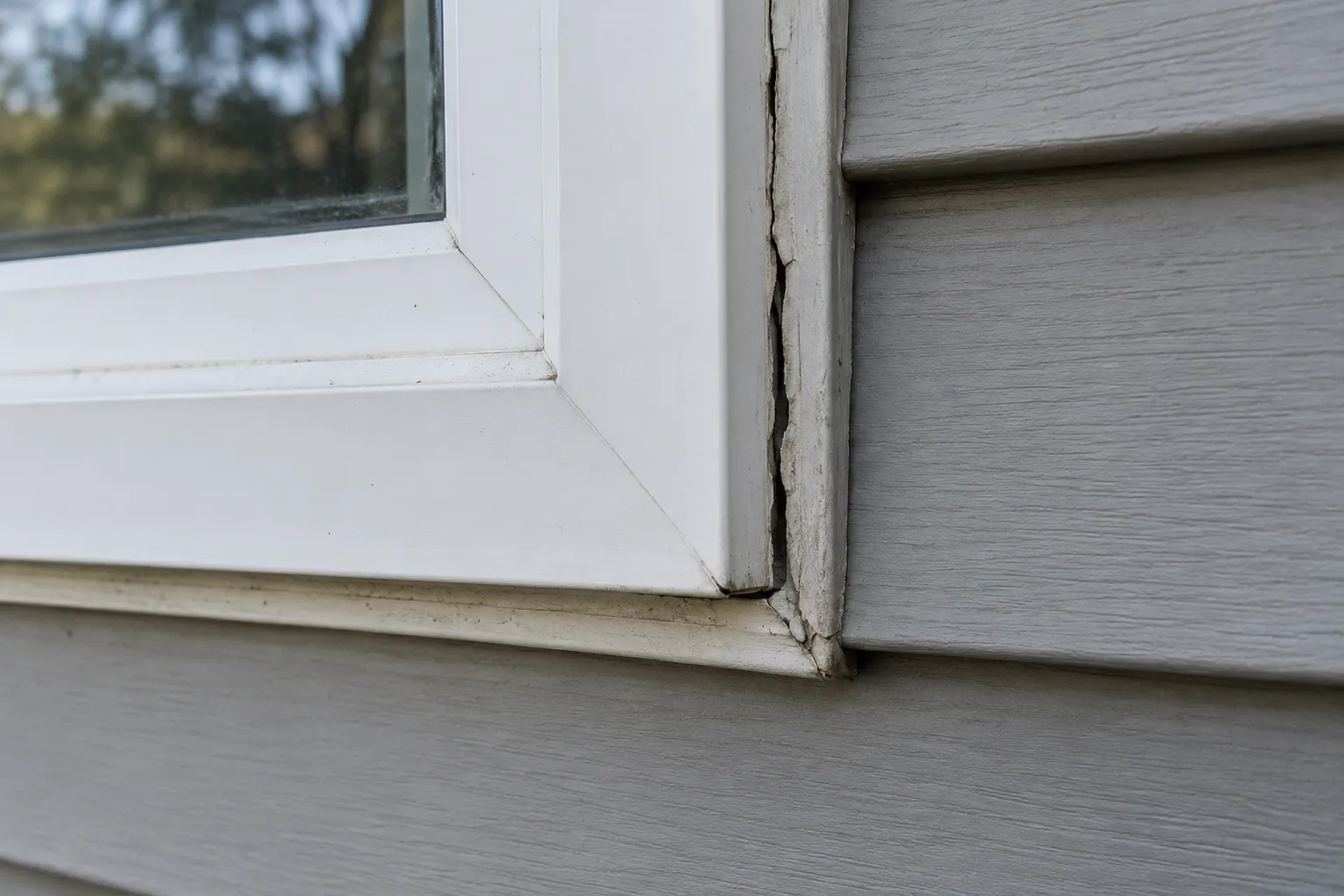
DIY or pro? Recaulking small gaps is DIY. Loose or damaged siding is a job for a pro, because the house wrap and sheathing behind it need to be checked too. If you’re thinking about replacing siding, our comparison of Hardie siding vs. vinyl siding near the bay explains how each holds up on the coast.
4. Seal Windows and Doors
On a windy day, hold your hand near the edges of windows and doors. If you can feel a draft, rain can get through the same gap. Check:
-
Weatherstripping around doors that’s flattened, torn or missing
-
Caulk around the outside of window and door frames
-
Window sills and the trim below them for soft wood or staining
-
Sliding doors to decks and balconies, which often take direct wind
DIY or pro? New weatherstripping and caulk are inexpensive DIY fixes. Windows that fog between the panes, stick, or leak no matter what you seal may need replacement.
5. Check Decks, Balconies and Railings
Decks take sun all summer and sit wet all winter. Check:
-
Railings and posts: push on them firmly. They shouldn’t move.
-
Boards: look for cracks, soft spots and loose boards.
-
Metal connectors, screws and nails: salt air rusts them, especially on decks facing the water. Rust on the hardware that holds the deck together matters more than rust on a railing cap.
-
The ledger board, where the deck attaches to the house, for rot, gaps or staining on the wall below
-
Balconies over living space, for any sign of leaks into the room underneath
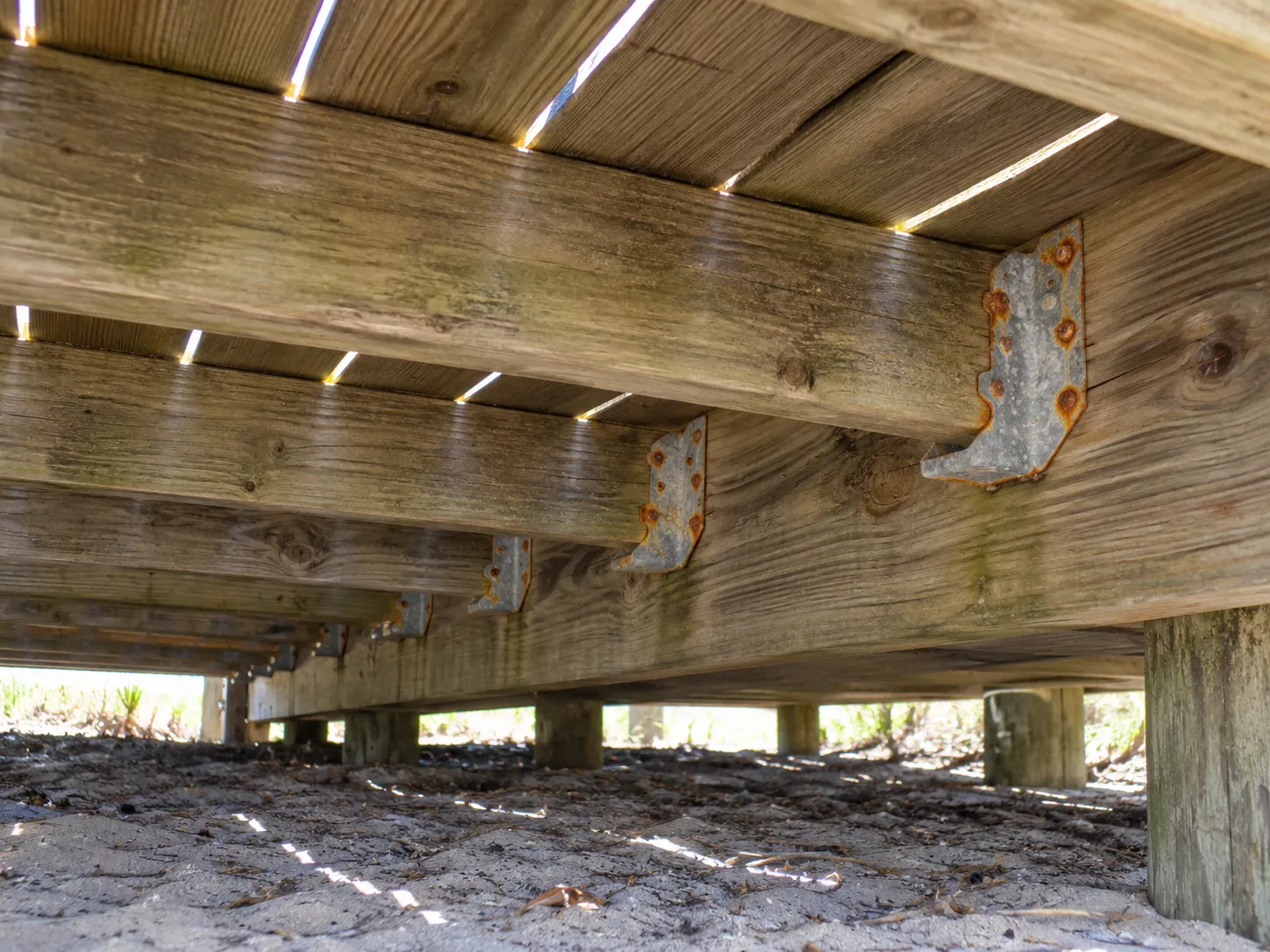
Clear leaves and debris off the deck so they don’t hold moisture over the winter, and secure or store furniture that could blow around in a storm.
DIY or pro? Cleaning and checking are DIY. A railing that moves, soft boards, or rusted structural connectors need a professional, because they’re safety problems, not just cosmetic ones. See our decks page for repairs. For balconies that leak into the room below, a waterproof surface like Tufdek is designed to solve that problem.
6. Shut Off Outdoor Faucets and Outdoor Showers
Winter temperatures here regularly drop below freezing, and water left in an outdoor line can freeze and split the pipe. Before the first hard freeze:
-
Disconnect and drain garden hoses
-
Close the inside shut-off valve for each outdoor faucet, then open the outdoor faucet to drain it
-
Drain the outdoor shower using its shut-off valve
DIY or pro? DIY if you know where the shut-off valves are. If you don’t, or if you want the whole house winterized, call a plumber.
7. Trim Branches Near the Roof
Branches that hang over or rub against the roof scrape shingles, fill gutters, and can break off in a nor’easter. Trim back anything within a few feet of the roof, and hire a tree service for large limbs.
Local note: in Ocean Pines, removing a tree six inches or more in diameter requires a tree removal permit from the Ocean Pines Association. Trimming is one thing; taking a tree down is another, so check first.
8. Touch Up Peeling Exterior Paint
Peeling paint on trim and doors lets bare wood soak up water. Scrape and touch up small areas while temperatures are still warm enough for paint to cure, and plan a full repaint for spring if the problem is widespread.
Local note: in Ocean Pines, the Ocean Pines Association requires a permit for most exterior changes, including color changes. Touching up in the same color is simple; switching to a new color needs approval first.
Closing Up a Second Home or Rental for the Winter
If your house will sit empty until spring, a few extra steps protect it while you’re away:
-
Finish the checklist above before you leave, especially the roof, gutters and outdoor faucets.
-
Take dated photos of the outside of the house: the roof from each side, the siding, the deck. If a storm causes damage over the winter, photos of how things looked before make an insurance claim much easier.
-
Bring in or tie down outdoor furniture, grills and anything else wind could pick up.
-
Arrange for someone to walk around the house after major storms, a neighbor, property manager or contractor, and leave them your contact details and a list of who to call.
-
Schedule a late gutter cleaning if leaves are still falling when you close up.
Your Winter Home Maintenance Checklist: What to Check After Every Storm
Fall maintenance gets the house ready. A short winter home maintenance checklist keeps it that way. After every major storm, and at least once a month if the house is empty:
-
Look at the roof from each side for missing or lifted shingles
-
Check that gutters and downspouts are clear and still attached
-
Look at ceilings and the tops of walls inside for new water stains
-
Check the deck and balcony for loose boards or damaged railings
-
Make sure doors and windows still close and seal tightly
If a storm does cause damage, see our guides on signs your roof was damaged by a storm
Fall Home Maintenance Tips: Staying Safe and Knowing When to Stop
Most of this checklist is safe to do yourself. A few fall home maintenance tips keep it that way:
-
Stay off the roof. Fall roofs are often wet, covered in leaves, and windy. Binoculars from the ground show most of what you need to see.
-
Use a sturdy ladder on level ground, and have someone hold it. Don’t lean over the side to reach.
-
Stop when you find soft wood, rust on structural hardware, or water stains inside. These mean water has already gotten in, and the damage you can see is usually smaller than what’s behind it.
Call a professional for anything involving the roof surface, two-story gutters, siding that’s loose or missing, railings that move, or leaks inside the house.
Plan Bigger Repairs for the Off-Season
If your checklist turns up a bigger job, like a new roof, new siding or a rebuilt deck, fall and winter are a good time to plan it. In several beach towns, the off-season is when most construction happens anyway:
-
In the Town of Bethany Beach, construction is allowed on weekdays year-round, but Saturday work is only allowed from October 1 to May 15.
-
In Ocean Pines, exterior changes go through the Association’s Architectural Review Committee, which meets twice a month, so approval time needs to be built into the schedule.
Getting an estimate in the fall also means you can get on the schedule before the spring rush, when everyone wants their deck or siding done before summer.
Frequently Asked Questions
When should I do fall home maintenance on the Eastern Shore? Between late September and early November. That’s before the first hard freeze and early in nor’easter season, which runs from September to April. Clean gutters last, after most leaves have fallen.
How often should I clean my gutters near the coast? At least twice a year: in late fall after the leaves drop, and again in spring. Homes under pine trees or large oaks often need it more often.
Can I inspect my roof myself? From the ground and the attic, yes. Use binoculars to check shingles and flashing, and look in the attic for daylight or water stains. Leave anything that involves climbing onto the roof to a professional.
What should be on a winter home maintenance checklist? After every major storm, check the roof for missing shingles, make sure gutters are clear and attached, look for new water stains inside, check the deck and railings, and make sure doors and windows seal tightly. If the house is empty, have someone check it at least once a month.
What should I do before closing up a beach house for the winter? Finish the exterior checklist, shut off and drain outdoor faucets and showers, secure outdoor furniture, take dated photos of the outside of the house, and arrange for someone to check the house after major storms.
Do I need approval to repaint my house in Ocean Pines? For a new color, yes. The Ocean Pines Association requires a permit for most exterior changes, including color changes. Touching up in the existing color doesn’t change the home’s appearance.
Get Your Home Ready Before the First Nor’easter
A fall home maintenance checklist won’t stop a nor’easter, but it makes sure your home is ready for one. Most of the problems that become expensive winter repairs, like a lifted shingle, a clogged gutter or a gap in the caulk, are easy to spot and fix in October.
If your checklist turns up something that needs a closer look, Vasco Property Services can help. We repair and replace roofs, siding, windows and decks for homes in Selbyville, Bethany Beach, Fenwick Island, Ocean View, Ocean City, Ocean Pines and across Sussex County and Worcester County. Call us at (443) 880-8891 or request a free estimate online.